
Meet the experts shaping the future of digital health and care. Our Judges Spotlight series showcases the vision and insight of the HSJ Digital Awards judging panel - leaders driving innovation, transformation and lasting impact across the NHS.
Discover Kendra Schneller MBE, Nurse Practitioner, Guy's and St Thomas' NHS Foundation Trust experience and advice for this year’s entrants below.
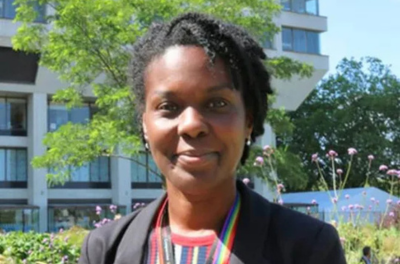
Tell us about yourself – what inspired you to get involved in digital health?
As a Nurse Practitioner specialising in homelessness and inclusion health, I am focused on improving outcomes for people who often face significant barriers to healthcare. This inspired me to become involved in digital health to improve access and equity in care for my patients.
I am particularly interested in how technology can support population health, identify unmet need and help clinicians make more informed decisions. I’ve remained on the frontline for all my nursing career, which means I know first-hand where there is a need to have a more digital focus. Digital transformation is not simply about introducing new tools; it is about creating or improving digital tools, where everyone is included, if that’s their wish. When designed well with those people that will be using the services, digital innovation can be a powerful enabler of better care and reduced health inequalities.
From your experience in digital transformation, what approaches have made a lasting impact in health and care?
The most successful digital transformation initiatives are those that keep people at the centre of change. The use of co-design is paramount when undertaking an innovation. For me, involving frontline teams and service users from the beginning and even as far back as the idea stage, helps ensure solutions address real problems and fit naturally into clinical workflows. Effective clinical leadership is equally important, as it helps bridge the gap between technology and practical service delivery.
The most impactful innovations always consider equity. Digital transformation should help reduce barriers to care, not create new ones. People and organisations that actively design for inclusion, accessibility and diverse user needs are often the ones achieving the most meaningful and sustainable improvements in outcomes.
What digital innovation or trend are you most excited to see influencing the NHS in the next few years?
I am particularly excited by the growing use of data-driven and predictive technologies to support earlier intervention and more personalised care.
I am encouraged by innovations that improve integration across health, social care and voluntary sector services. Technologies that improve communication and information sharing across organisations have the potential to significantly enhance patient experience and outcomes.
Importantly, I hope to see more digital innovation focused on tackling health inequalities. There is enormous potential for technology to improve engagement with underserved communities, increase access to support and ensure services are designed around the needs of those who often struggle to access traditional models of care.
The innovations that will have the greatest impact are not necessarily the most sophisticated. The ones that improve equity and make high-quality care easier to access are the ones that excite me most.
What have you learned from your time on the HSJ Digital Awards judging panel?
Since being a judge, I have learned that there are many incredible colleagues, delivering amazing services that are innovative. The creativity and determination of teams working to solve gaps that have been identified is impressive. I am humbled and inspired by the breadth of knowledge and experience across the NHS and wider health and care system.
What one piece of advice would you give to teams preparing their entries to help their work stand out?
My advice would be to focus on the impact, scale and spread of the project.
As a judge, I see lots of impressive innovations but the ones that make me sit up and take notice are those that clearly explain the problem they set out to solve, how it was achieved, the difference the project has made to patients and communities and whether it is something that I can replicate in my service. Tell the story behind your project and I especially love patient stories, as then I am able to picture the difference the project has made. Really show the digital aspect of the project, as sometimes this doesn’t always come across well and don’t forget to highlight the collaborative work that has taken place. Be specific about outcomes and support this with robust evidence wherever possible.
Ultimately, the impact it has had for the patients, is what leaves a lasting impression for me.